
FRACTIONAL VP OF SALES | building products
An operator inside your commercial system.
You inherited the reps, the channel, the CRM, the business unit, and the number. Maybe they're self imposed.
I’ve carried all five, from nearly every seat in a building product business. I know where you can move faster, where you cannot, and where manufacturers lose years trying to solve a sales problem that is really a product adoption, channel, or field execution problem.
I’m not here to slow you down with more process. I’m here to help you see what is actually standing between specification and repeatable revenue, fix what can be fixed quickly, and build the system your three-year growth plan will depend on.
For founders + business unit leaders.
Engagement time varies by need.
What I usually find in the first 30 days
Which reps and channels are actually creating profitable revenue, and which ones only look busy.
Where the CRM loses the project between specification, bid, purchase and installation.
Which channel agreements still fit the way the market buys today, and which ones are now costing you margin, visibility or control.
You may not need more sales people.
You may just need line of sight.
Fractional sales leadership makes sense when the next stage of your building product business requires more control than the current system gives you.
If three or more of these are priorities, we should probably talk:
You want to see a project from specification through submittal, distribution, purchase and installation, not lose sight of it once the architect says yes.
You want your CRM and sales pipeline to show live projects, dates, decision-makers and next moves, not just a list of architects, contractors and accounts.
You want reps who know how to create and defend specifications, advance a project through construction and recognize when the right decision-maker has changed.
You use independent rep agencies or distribution and want to know which relationships are actually producing specification wins, profitable revenue and repeat business.
You want to understand why your products are being value-engineered out, and build the defense earlier instead of fighting the substitution after it happens.
Revenue is growing, but you want clearer visibility into gross margin by customer, channel, rep or project so you know which growth is worth keeping.
You need a sales forecast you can defend upstairs because building product sales cycles do not behave like SaaS, and a project delayed six months is not necessarily a project lost.
You want technical knowledge to live inside the company instead of routing every field question, submittal issue and unusual condition back to one person.
You know the business is approaching the point where it needs VP-level sales leadership, but you want the commercial system built before you commit to the wrong full-time hire.
You have long-cycle specifications working their way toward revenue and want to identify the shorter paths to cash that can run alongside them.
THE GOAL IS NOT MORE PROCESSES.
It's knowing:
1. Where, when, and why the spec goes dark, which reps and channels are actually creating value,
2. What the number means before the revenue arrives (profits), and
3. What to change now to achieve the business you intend to be running in three years.
What you can expect
The job is not to hand you a strategy and disappear, and it is not to run your sales team forever. It is to run it well enough, long enough, that the person you eventually hire inherits something that works. In other words: I'm building my own replacement, on purpose, out loud.
what this is not...
Marketing campaigns. Brand identity. Advertising. Websites. Social media. Comprehensive documentation nobody reads.
I work on the operational system underneath. How your product travels from your factory, to a specification, to a building, and to a reorder.
How the engagement runs
01
Typical Phase One — 90 days
I learn the business the way I'd learn it if I owned it. Do field visits as appropriate, call reviews, talk to prior customers, do a pipeline analysis, channel math, CRM review and setup (if appropriate), and take a hard look at where specs are leaking and where competition is sparse - your blue ocean. You get a commercial diagnosis and a plan you can execute with the people you already have.
02
Typical Phase Two — 6-18 months
Phase One converts into an ongoing engagement of an agreed-upon length, depending on your stage and revenue goals. Either until we get your numbers stable and team is self sufficient, or until your numbers are big enough to hire a full time sales leader. All contracts have 30 days' exit clause.
03
The Hire-out Clause
If at any point during our work together you find your full-time VP, good! That's the goal. The engagement converts to a reduced-fee wind-down while I hand off the system, the relationships, etc. Basically while I train the replacement who'll take the baton from there.
WHAT A BUILDING PRODUCTS TRACK RECORD LOOKS LIKE IN FRACTIONAL VP OF SALES
Business Unit Leader
I ran a rainscreen business unit inside an established building product manufacturer. We took the pipeline from under $1M to $38m in under 4 years. Contribution margins went from -22% to 80% and we were in the black in year 2. Sales went from $166K in year 1 to $3.5m in year 3. All with a product that is "niche" and considered an accent.
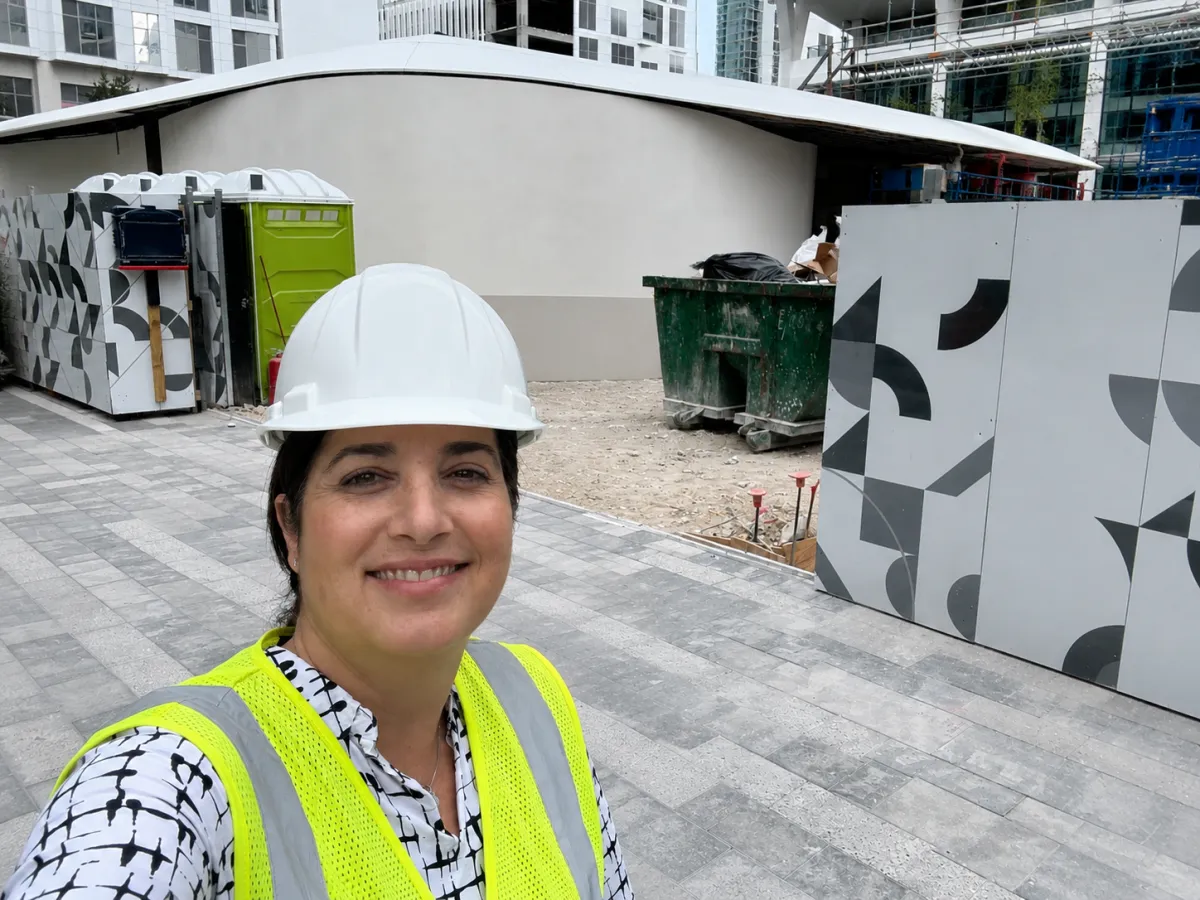
Before that a mechanical engineer, technical department lead, installer trainer, and then top commercial sales rep in various product segments. I am a firm believer in manufacturers visiting job sites and lead the Job Site Secrets sales training teaching reps how to safely visit job sites to gain product intel, expand pipeline, and build client trust.
Investment
A full-time VP of Market Development in building products runs $180K–$250K+ base, plus variable, plus benefits, plus the six months or more of ramp time (assuming you made the right hire).
This costs a fraction of that, starts when you're ready, and comes with someone who has already made the expensive mistakes on somebody else's payroll.
The number depends on your revenue, your team, and how much of the calendar you actually need. That's a ten-minute conversation, not a pricing table.
SPEC TO SCALE
Line of sight from spec to reorder, for leaders of building product companies.
Company
© 2026 Spec to Scale. All rights reserved.